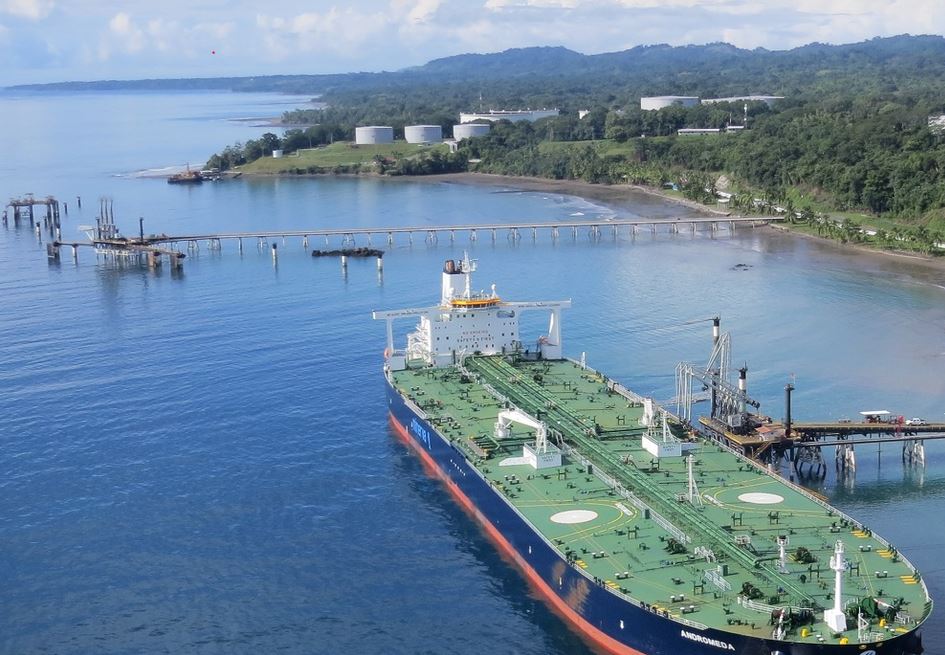
A major shift is underway for one of the most critical industrial assets in the Barú region. The Panamanian government has announced plans to acquire the remaining 41% private stake in Petroterminal de Panamá (PTP), a move that will place the strategic pipeline and port operator under complete state control.
The shares are currently held by the U.S.-based firm NIC Holding Corp. To execute the buyout, the government is invoking a specific clause embedded in the original 1977 contract.
Zero Debt for the State
A key point highlighted by officials is the financial structure of the acquisition. According to government statements, the buyout will be funded entirely by PTP’s own robust cash flow and internal reserves. Representatives assured the public that the transaction will require no funding from the national treasury and will not generate new public debt.
Explicit Protections for Local Jobs
 For working families in Puerto Armuelles, the most immediate question following the buyout announcement was job security. The Ministry of Economy and Finances (MEF) addressed these concerns directly by announcing guaranteed stability for all existing jobs under the new state framework.
The government has committed to honoring all active labor agreements, ensuring day-to-day work at the Charco Azul Pacific terminal continues without interruption. Furthermore, officials stated that all active contracts with local commercial vendors and service providers will remain intact. This continuity protects the local supply chains that depend heavily on PTP’s industrial presence.
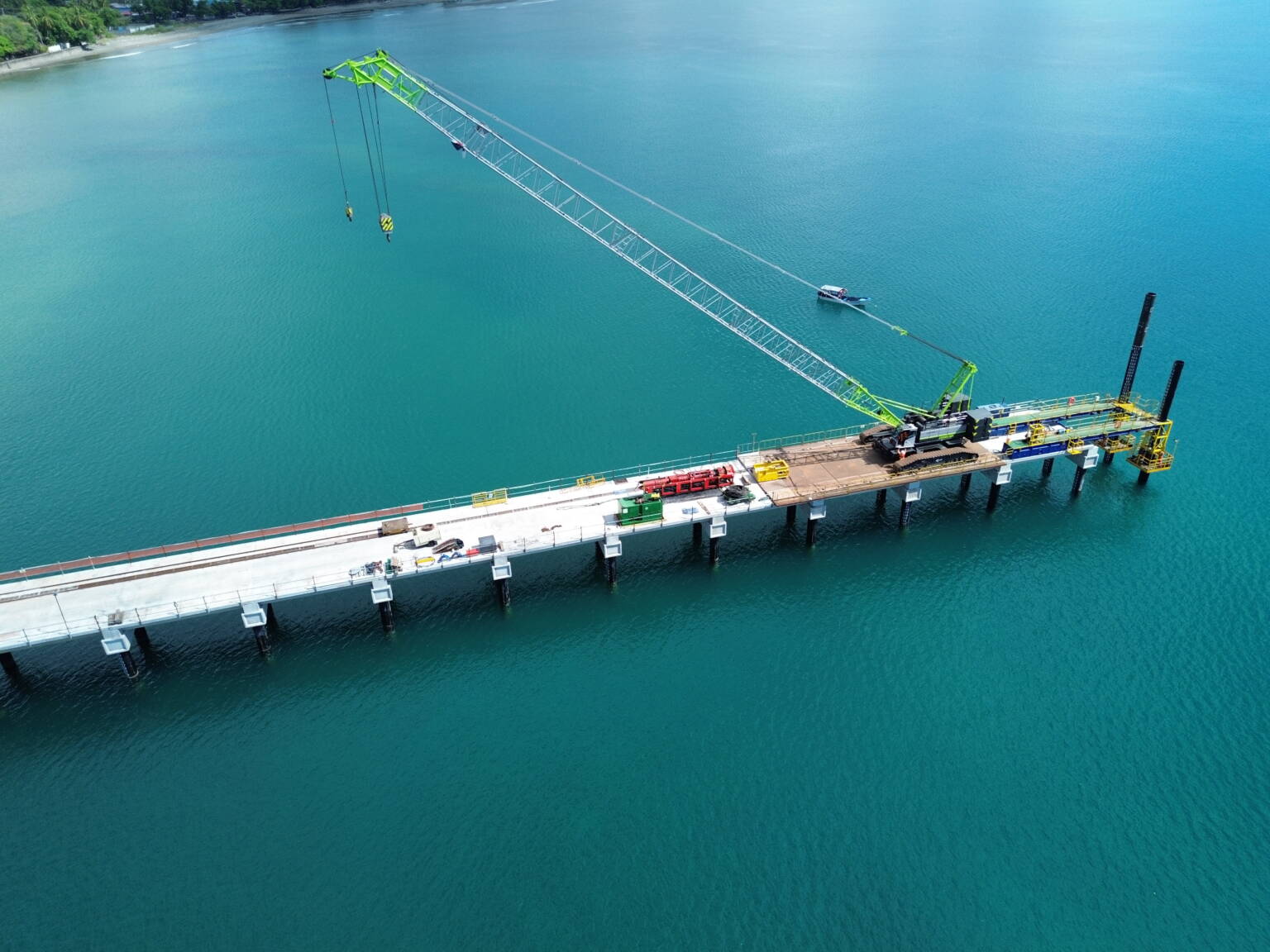
In the longer term, the government plans to integrate PTP with broader maritime expansion policies. This regional growth aligns with major localized infrastructure updates, including the ongoing construction of the new $21.2 million multipurpose fiscal dock in Puerto Armuelles. Over time, national integration could open the door for specialized local jobs in marine engineering, technical pipeline maintenance, and safety compliance.
Environmental Stewardship and Community Programs
Operating a transisthmian oil pipeline requires rigid adherence to safety to prevent ecological disasters in our coastal waters. Day-to-day risk management at Charco Azul is built upon strict international quality and risk management parameters (such as ISO 9001:2015). The state-controlled administration is expected to preserve these existing, strict safety standards to prevent industrial accidents and protect local marine ecosystems.
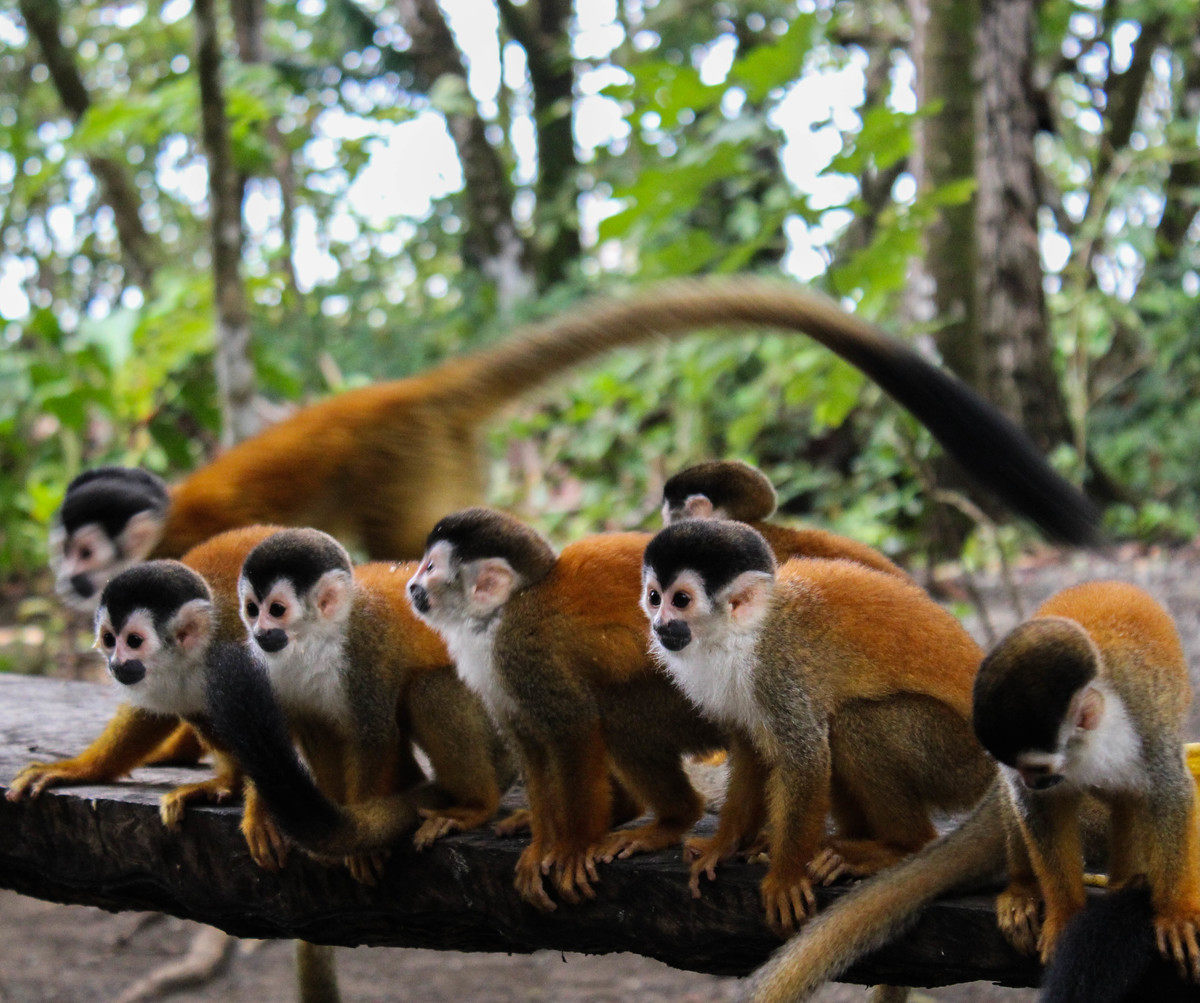
Red Back Squirrel monkeys
PTP’s footprint in Barú also extends into local environmental preservation. Through past participation in regional corporate sustainability programs, the company established ongoing environmental checks. These initiatives include:
- Carbon footprint tracking to manage and offset emissions
- Reforestation programs within its terminal properties
- Rainwater harvesting and industrial recycling initiatives
- Direct support for Proyecto Primate, which focuses on conserving vulnerable local monkey species
Explore PTP’s WEBSITE for more details regarding projects they fund and support.
Because PTP will now transition to a fully state-owned utility, the responsibility for funding and managing these ecological and community safeguards shifts entirely to the public sector. Local advocates emphasize that maintaining public trust in the Barú district will rely on the state actively honoring these corporate social responsibility budgets.
The Broader Energy Landscape
This move comes at a time of heightened state involvement in the country’s energy sector. Concurrently, the government is navigating complex international legal waters, including an active CIADI arbitration case stemming from the cancelled Gas to Power Panama (GTPP) project involving Sinolam.
However, unlike those contested projects, the PTP buyout represents the execution of an existing contract option rather than a hostile expropriation. For Barú, all eyes now turn to how 100% state ownership will reshape our regional economy, environmental monitoring, and community infrastructure right here in our backyard.


